October 7, 2026
By Nelson Gibson, CEO, Acadian Seaplants
Agriculture faces a renewed climate challenge — one defined by the strongest El Niño on record. Global forecasters from Britain’s Met Office to China’s National Climate Centre warn that Pacific waters are warming more than 3 °C above normal, beyond the threshold of more typical El Niño events. This is not a routine cycle. It is powerful enough to reshape global food production.
The potential implications for agriculture are impactful. El Niño amplifies heat waves, deepens drought cycles, disrupts rainfall patterns, causes flooding and waterlogging, and destabilizes the atmosphere. These forces weaken plant resilience, reduce photosynthesis, impair pollination, and compromise soil systems. The effects are already visible: slowed growth, delayed maturity, lower yields, and rising production costs. Forecasters expect 2027 to likely surpass 2024 as the warmest year ever recorded.
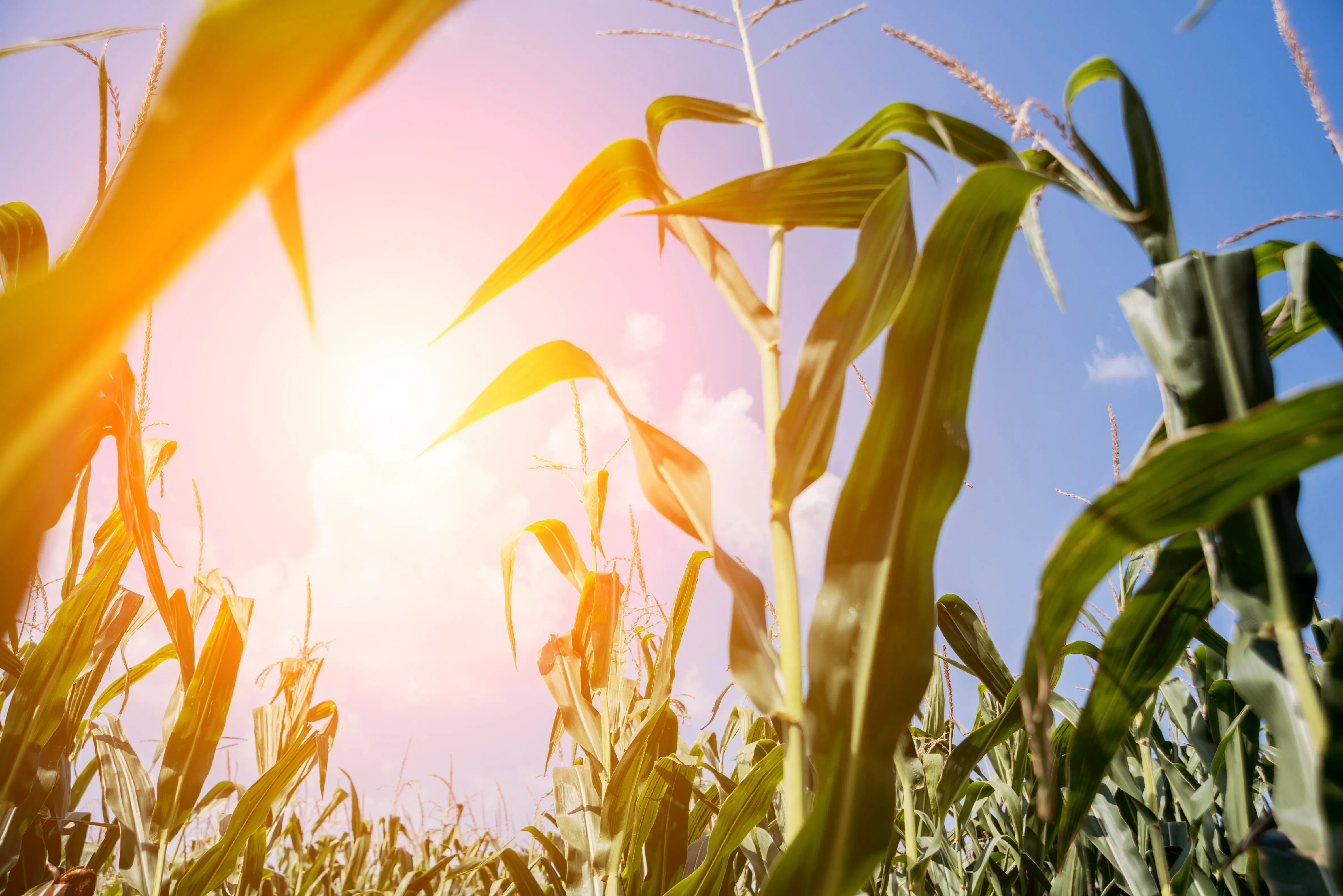
For farmers, this is not abstract — it is a reality. Extreme heat scorches leaves and aborts flowers. Drought collapses canopies and reduces nutrient mobility. Atmospheric instability disrupts fruit set and grain fill. Even short periods of stress can reduce pollination success and weaken crop quality. These impacts often exceed the damage caused by pests or disease.
Agriculture needs tools that meet the challenge.
At Acadian Plant Health™, we have spent decades studying how marine plants survive extreme environments — and how seaweed-based biostimulant technology can help crops do the same. Our ASM technologies and solutions, like Ready for Stress™, are designed specifically for the kind of compounded stress El Niño creates. They help plants maintain chlorophyll, regulate water, stabilize cells, and counter oxidative stress triggered by high temperatures. They support root development, nutrient uptake, and beneficial microbial activity when soil conditions are disrupted. They also strengthen resilience at the physiological level—where climate stress strikes first.
These biological tools are real. They already help farmers protect yield potential under heat, drought, and atmospheric instability. They work within existing agronomic programs, offering both preventative and reparative support. In an era where climate volatility is changing the rules of agriculture, scalable biological innovation is not a nice-to-have — it is foundational.
El Niño is a reminder that global agriculture must adapt. Farmers are facing unprecedented pressure, and food security depends on our ability to provide solutions that protect productivity under extreme conditions. This strongest of all El Niño’s demands a new level of resilience, which we are committed to help deliver.
Climate-smart innovation will help define the next decade of agriculture. The question is not whether the climate will continue to change — it is how quickly we can equip farmers with the tools they need to thrive in this new reality.

Nelson Gibson leads Acadian Seaplants, where he oversees the development of marine-plant-based solutions that help farmers protect yield, soil health, and crop quality as weather extremes causing heat, drought, and instability intensify worldwide.